

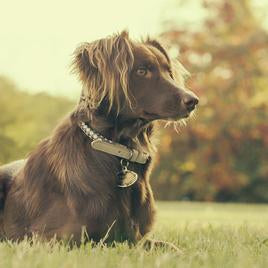

Leash Training Basics: Picking the Right Leash for Your Dog
Walking your dog should be one of the most enjoyable parts of pet ownership, not a tug-of-war down the sidewalk. Whether you're bringing home a new puppy or working to fix leash-pulling habits in an older dog, the process starts with one deceptively simple decision: which leash should you actually use?
The right leash doesn't just make walks more comfortable for you, it plays a real role in how quickly and safely your dog learns good leash manners. In this guide, we'll cover the basics of leash training and break down the different leash types so you can pick the one that fits your dog best.
Why Leash Training Matters
Leash training isn't just about preventing pulling. It's about:
- Safety — keeping your dog close in traffic, around other animals, or in crowded spaces
- Communication — a leash is a two-way line of feedback between you and your dog
- Confidence building — a well-trained leash walker is calmer and more relaxed on outings
- Bonding — structured walks reinforce trust and leadership in a low-pressure setting
Getting these fundamentals right early prevents bad habits from becoming permanent.
Leash Training Basics: Where to Start
Before diving into leash types, keep these core training principles in mind:
- Start indoors or in a low-distraction area. Let your dog get used to the feel of a leash before introducing outdoor stimulation.
- Use positive reinforcement. Reward loose-leash walking with treats, praise, or play, never yank or jerk the leash as punishment.
- Keep initial sessions short. Five to ten minutes at a time keeps training sessions productive without overwhelming your dog.
- Be consistent. Everyone who walks the dog should use the same cues and expectations.
- Practice in stages. Move from quiet backyard sessions to sidewalks, then to busier environments as your dog improves.
With those basics in place, the leash itself becomes an important tool, not just an accessory.
Types of Leashes and When to Use Them
1. Standard Flat Leash
A simple, fixed-length leash (usually 4–6 feet) made of nylon or leather.
Best for: Everyday walks and general training.
Why it works: Gives consistent control and is easy for beginners to manage. Most trainers recommend this as the default choice while building good habits.
2. Retractable Leash
Extends and retracts via a spring-loaded mechanism, often allowing 10–25 feet of range.
Best for: Confident, well-trained dogs in open, low-traffic areas.
Caution: Not ideal for training new leash manners — the constant tension can encourage pulling, and the thin cord can be a safety hazard around ankles or in crowded areas.
3. Slip Leash
A combination collar-and-leash in one piece, tightening when pulled.
Best for: Quick, temporary use (like at the vet or in shelters).
Caution: Requires careful handling since it can tighten uncomfortably if a dog pulls hard. Not usually recommended for daily training.
4. Hands-Free Leash
Worn around the waist, freeing up your hands.
Best for: Running, hiking, or multi-tasking with well-behaved dogs.
Why it works: Encourages a natural pace and reduces arm fatigue, but works best once basic leash manners are already established.
5. Adjustable/Multi-Function Leash
Leashes with multiple D-rings or length settings that convert between standard, hands-free, or double-dog configurations.
Best for: Owners who want versatility across different activities.
Why it works: One leash adapts to walking, training, or hiking without needing separate gear.
How to Choose the Right Leash for Your Dog
When picking a leash, consider:
- Size and strength of your dog — Larger, stronger dogs need thicker, more durable material and secure hardware.
- Training stage — Puppies and dogs new to leash training benefit most from short, standard leashes that offer close control.
- Behavior tendencies — Dogs prone to pulling or lunging may do better with a front-clip harness paired with a standard leash rather than a retractable one.
- Activity type — Match the leash to the activity: hands-free for runs, standard for walks, adjustable for mixed use.
- Comfort for you — Padded handles reduce hand strain, especially for larger or more energetic dogs.
Common Leash Training Mistakes to Avoid
- Using a retractable leash before basic loose-leash walking is established
- Pulling back hard on the leash, which can create tension and anxiety
- Switching leash types too often, which can confuse your dog
- Skipping short, controlled indoor practice before heading outside
- Expecting instant results, leash training is a gradual process built on repetition
Final Thoughts
Leash training success comes down to two things working together: consistent training habits and a leash suited to your dog's needs. Start simple, stay patient, and choose equipment that supports the training stage your dog is currently in. As your dog's leash manners improve, you can explore more specialized leashes for hiking, running, or hands-free convenience.
A well-chosen leash won't do the training for you, but it makes every walk a little easier while you build the habits that will last a lifetime.